
Understanding the Role of a Logistics Freight Broker: An Expert's Insight
T4
Understanding the Role of a Logistics Freight Broker
In today's fast-paced global economy, the logistics industry plays a crucial role in ensuring the smooth movement of goods across borders and regions. At the heart of this complex network is the logistics freight broker, a professional who acts as an intermediary between shippers and carriers. But what exactly does a freight broker do, and why are they essential to the supply chain?

Connecting Shippers and Carriers
The primary responsibility of a freight broker is to connect shippers, who need to transport goods, with carriers, who have the means to move those goods. This involves negotiating rates, coordinating schedules, and ensuring that shipments are delivered on time. Brokers use their expertise and industry connections to find the best matches, optimizing logistics and reducing costs for both parties.
By leveraging technology and vast networks, freight brokers can access a wide array of options that might not be available to individual shippers or carriers. This ability to match specific needs with available resources makes them indispensable in the logistics industry.
Navigating Complex Regulations
Another critical aspect of a freight broker's role is understanding and navigating the complex web of regulations that govern freight transportation. Whether dealing with domestic shipments or international freight, brokers must ensure compliance with various legal requirements, such as safety standards, customs regulations, and environmental guidelines.
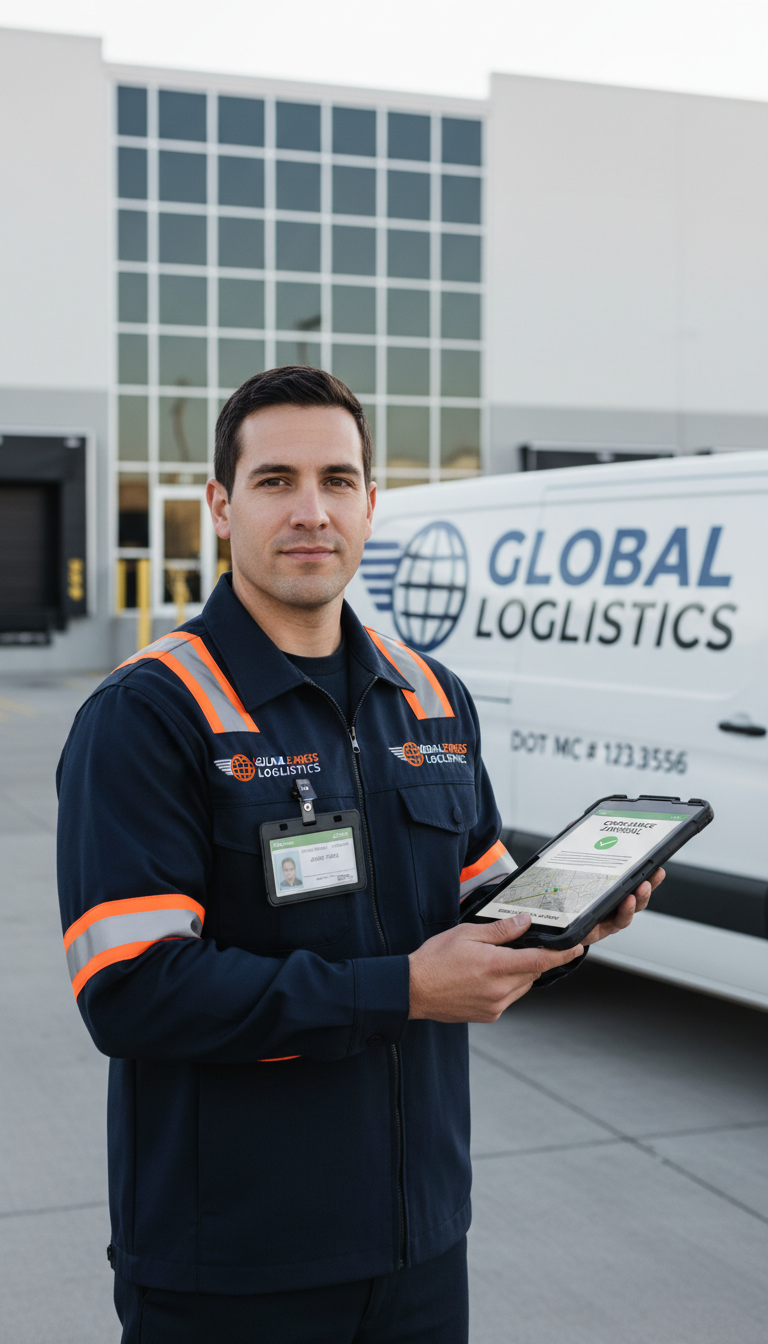
This expertise not only helps prevent costly delays and fines but also builds trust with clients who rely on brokers to manage these intricate details efficiently. The ability to stay up-to-date with ever-changing regulations is a vital skill for any successful freight broker.
Ensuring Communication and Coordination
Effective communication is at the core of a freight broker's work. They must maintain constant contact with both shippers and carriers, facilitating smooth coordination and handling any issues that may arise during transit. This involves providing real-time updates, resolving disputes, and ensuring that all parties are aligned on expectations.
Strong communication skills enable brokers to build long-lasting relationships with clients, fostering loyalty and repeat business. By acting as a single point of contact, they simplify the logistics process for all involved.

Managing Risks and Challenges
The logistics industry is fraught with potential risks, from weather disruptions to geopolitical tensions. A freight broker must be adept at identifying and mitigating these challenges to ensure that shipments reach their destinations safely and efficiently. This often involves contingency planning, risk assessment, and proactive problem-solving.
Brokers must also be prepared to handle unexpected issues, such as equipment failures or sudden changes in shipping routes. Their ability to adapt quickly and find solutions is a testament to their expertise and dedication to their clients' success.
Enhancing Supply Chain Efficiency
Ultimately, the role of a logistics freight broker is to enhance the overall efficiency of the supply chain. By optimizing routes, negotiating favorable rates, and ensuring compliance with regulations, they contribute to reducing costs and improving delivery times. This efficiency can lead to significant competitive advantages for businesses that rely on timely and cost-effective transportation solutions.
In a world where consumer expectations are continually rising, the strategic role of freight brokers in streamlining logistics cannot be overstated. Their expertise ensures that goods are moved efficiently, benefiting the entire supply chain.