
The Future of Warehousing and Distribution Services: Trends to Watch
T4
Introduction
The warehousing and distribution industry is undergoing a significant transformation. As technology advances and consumer demands evolve, companies are exploring innovative ways to optimize their supply chains. In this blog post, we'll explore the key trends shaping the future of warehousing and distribution services.
Automation and Robotics
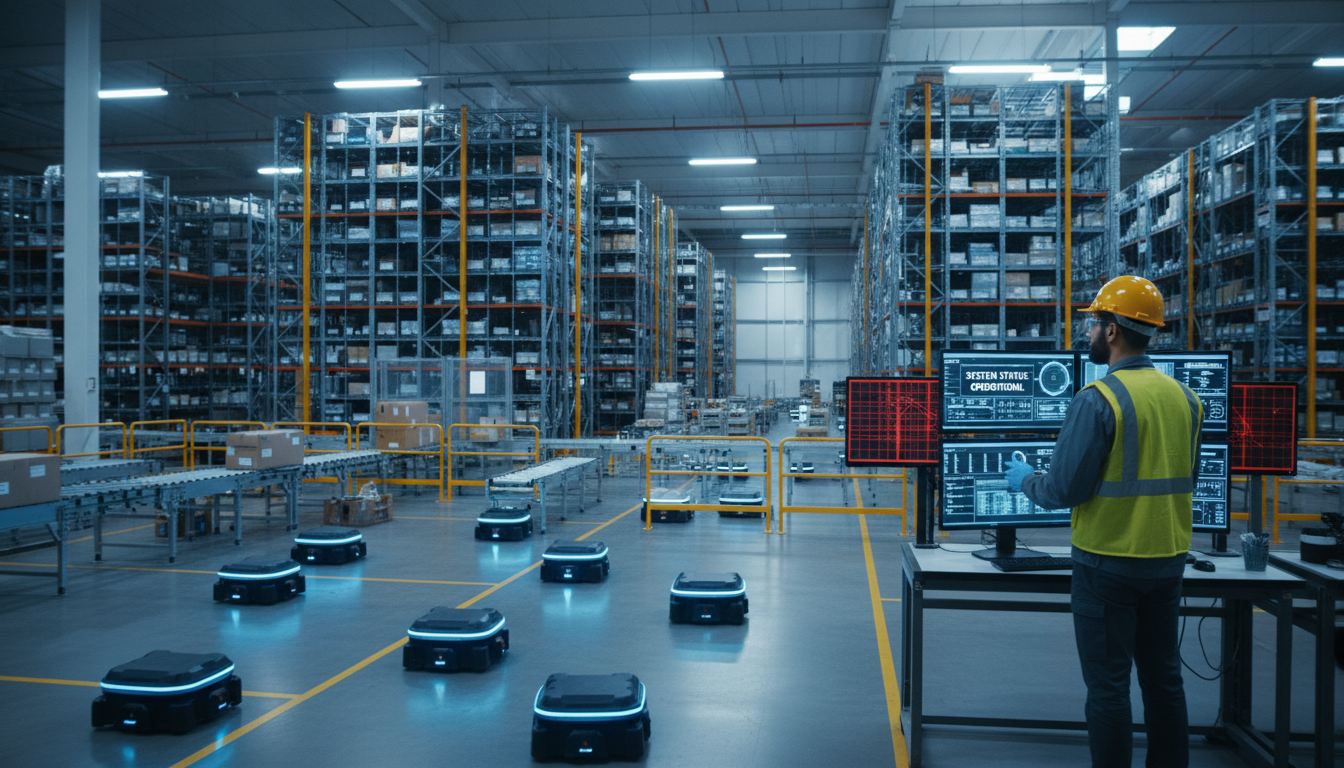
One of the most significant trends in warehousing is the adoption of automation and robotics. Automated systems are streamlining operations, reducing labor costs, and increasing efficiency. Robots are now capable of handling tasks such as picking, packing, and sorting with remarkable precision.
Benefits of Automation
Automation offers numerous benefits, including:
- Increased Productivity: Robotic systems can operate 24/7, significantly boosting productivity.
- Cost Savings: Reducing reliance on manual labor leads to lower operational costs.
- Improved Accuracy: Automated systems minimize human error, ensuring more accurate order fulfillment.
Data-Driven Decision Making
The use of big data and analytics is revolutionizing the way warehouses operate. By leveraging data, companies can make informed decisions that enhance efficiency and customer satisfaction. Predictive analytics, for instance, can forecast demand and optimize inventory levels.
Real-Time Tracking
Real-time tracking systems are becoming increasingly popular. These systems provide visibility into every stage of the supply chain, allowing businesses to monitor shipments and manage inventory more effectively.

Sustainability Initiatives
Sustainability is a growing concern in the warehousing and distribution sector. Companies are adopting eco-friendly practices to reduce their carbon footprint. This includes using energy-efficient technologies, optimizing transportation routes, and implementing recycling programs.
Green Warehousing
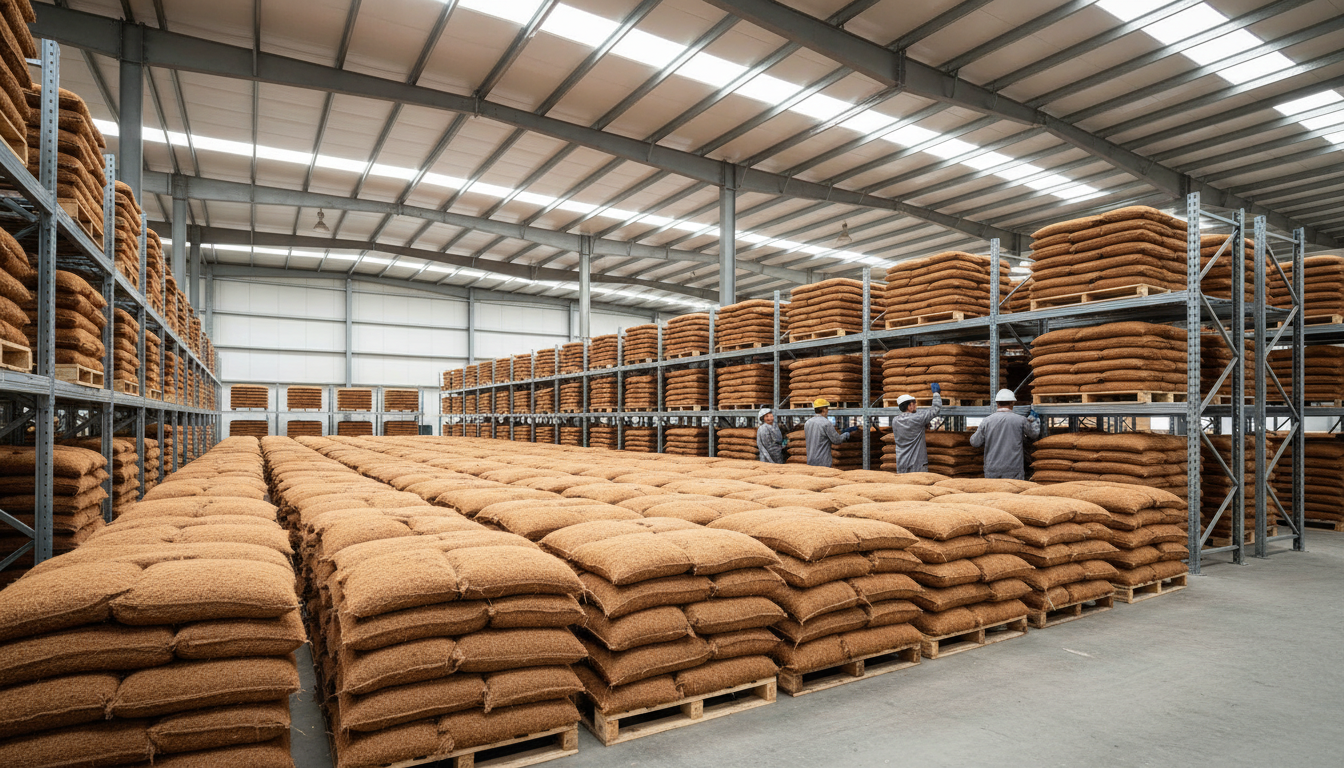
Green warehousing involves designing facilities with sustainability in mind. This might include the installation of solar panels, the use of energy-efficient lighting, and the implementation of waste reduction strategies.
Conclusion
The future of warehousing and distribution is bright, with technology playing a pivotal role in driving change. By embracing automation, leveraging data, and prioritizing sustainability, businesses can stay competitive in a rapidly evolving landscape. As these trends continue to develop, we can expect even more innovative solutions to emerge.