
Navigating Seasonal Freight Challenges in Montana: A Broker’s Perspective
T4
Understanding Montana's Unique Freight Landscape
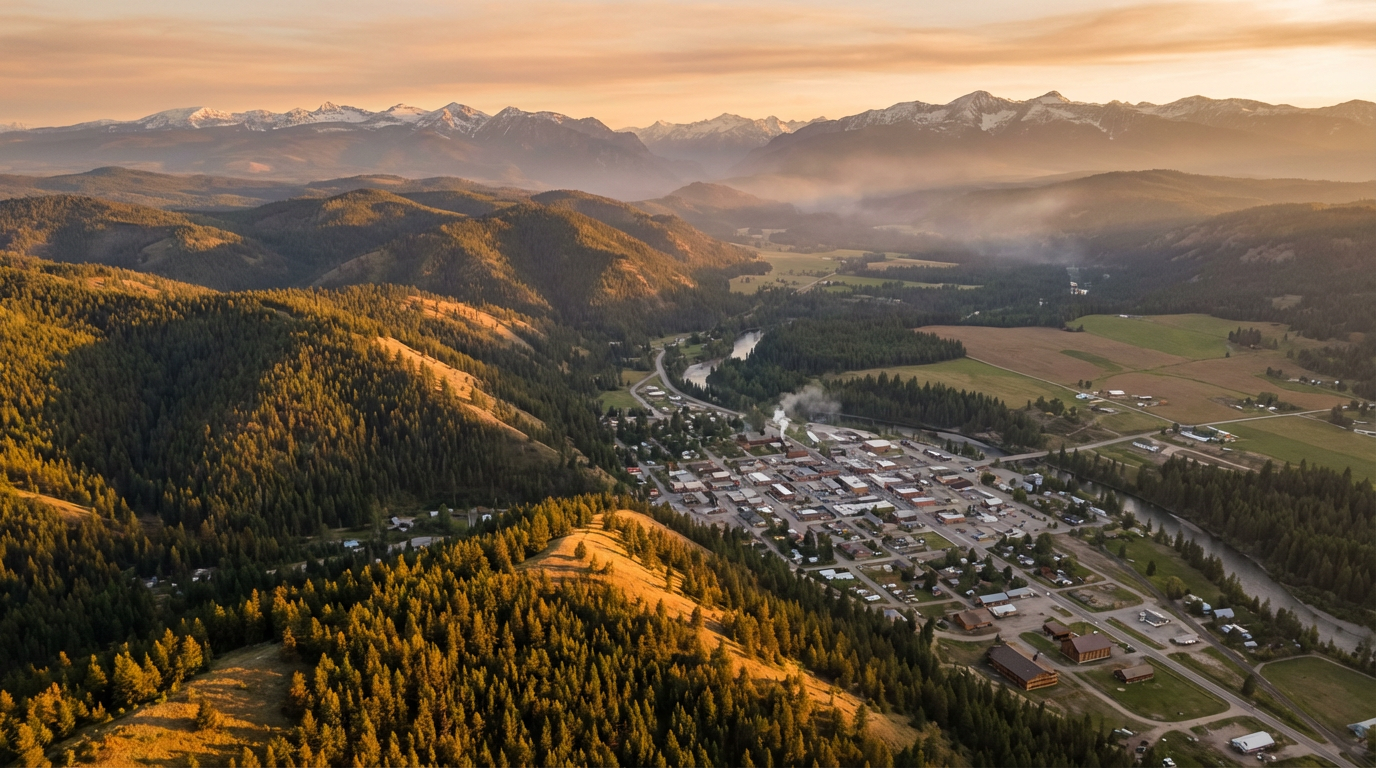
Montana's vast landscapes and diverse climates present unique challenges for freight transportation. With its rugged terrain and weather extremes, logistics professionals must be adept at navigating these conditions to ensure timely deliveries. This is especially true during seasonal transitions when the state's climate can shift dramatically.
Freight brokers play a crucial role in coordinating these efforts, acting as intermediaries between carriers and shippers. Their expertise becomes particularly valuable during the winter months, when snow and ice can disrupt routes and schedules. Understanding the intricacies of Montana's geography is essential for effective freight management.
Winter Woes: The Challenges of Snow and Ice
Winter in Montana can be harsh, with heavy snowfall and icy roads posing significant obstacles for transportation. Freight brokers must anticipate these conditions by planning routes that prioritize safety and reliability. This often involves collaborating with carriers that have experience in winter driving.
Utilizing technology can aid in this process. GPS tracking and weather forecasting tools help brokers monitor conditions in real-time, allowing for quick adjustments to plans. This proactive approach minimizes delays and helps maintain supply chain continuity.

Spring Thaw: Navigating Mud and Floods
As winter transitions to spring, the thawing snow can lead to muddy roads and potential flooding. These conditions can make certain routes impassable, requiring brokers to identify alternative paths. Flexibility and adaptability become key during this period.
Establishing strong relationships with local carriers who understand the seasonal dynamics is beneficial. Their insights into viable routes and conditions can provide a competitive edge, ensuring shipments continue to move smoothly despite the challenges.

Summer and Fall: Managing Increased Demand
While summer and fall bring more favorable conditions, they also result in increased demand for freight services. The agricultural sector, in particular, sees a surge as crops are harvested and transported. Brokers must manage this heightened activity efficiently to capitalize on opportunities.
Effective load planning and strategic partnerships can help brokers optimize their operations. By balancing capacity and demand, they can maximize profitability while maintaining high service levels.
Leveraging Technology for Efficiency
Technology plays a pivotal role in overcoming Montana's seasonal freight challenges. Advanced logistics platforms allow brokers to streamline communications and improve route planning. These tools provide data-driven insights that are crucial for making informed decisions.
Embracing digital solutions not only enhances operational efficiency but also improves customer satisfaction. By providing real-time updates and transparent communication, brokers can build trust and foster long-term relationships with clients.
Conclusion: The Broker's Role in Navigating Challenges
Freight brokers are indispensable in navigating Montana's seasonal challenges. Their ability to adapt to changing conditions, leverage technology, and build strong networks ensures the smooth flow of goods across the state. By understanding and anticipating the unique demands of each season, brokers can turn potential obstacles into opportunities.
As Montana continues to be a critical hub for freight, the expertise of brokers will remain vital. Their strategic efforts not only support the local economy but also contribute to the broader logistics industry.