How to Optimize Your Logistics Strategy During Peak Seasons
T4
Understanding Peak Seasons
Peak seasons can significantly impact your logistics operations, often leading to increased demand and potential bottlenecks. These periods are crucial for businesses, and ensuring a seamless operation during these times can make a significant difference in revenue and customer satisfaction. To optimize your logistics strategy, it's essential to understand the specific challenges and opportunities presented by peak seasons.
During peak times, such as holidays or special sales events, the demand for products and services typically surges. This can strain your supply chain if not managed correctly. Planning ahead and anticipating these changes are key to minimizing disruptions.
Enhancing Inventory Management
Effective inventory management is vital during peak seasons. Knowing what products are in high demand and ensuring you have adequate stock can prevent delays and lost sales. Implementing a robust inventory management system can offer real-time insights into stock levels and help predict future demand patterns.
Consider diversifying your suppliers to avoid potential shortages. Having multiple sources for critical products ensures that your business remains resilient, even if one supplier faces challenges. Additionally, regularly reviewing inventory turnover rates can help in making informed decisions about restocking.
Streamlining Transportation and Delivery
Transportation and delivery are critical components of your logistics strategy. During peak seasons, optimizing these processes can lead to significant improvements in efficiency and customer satisfaction. Partnering with reliable carriers and using technology to track shipments in real-time can help you maintain control over your logistics operations.
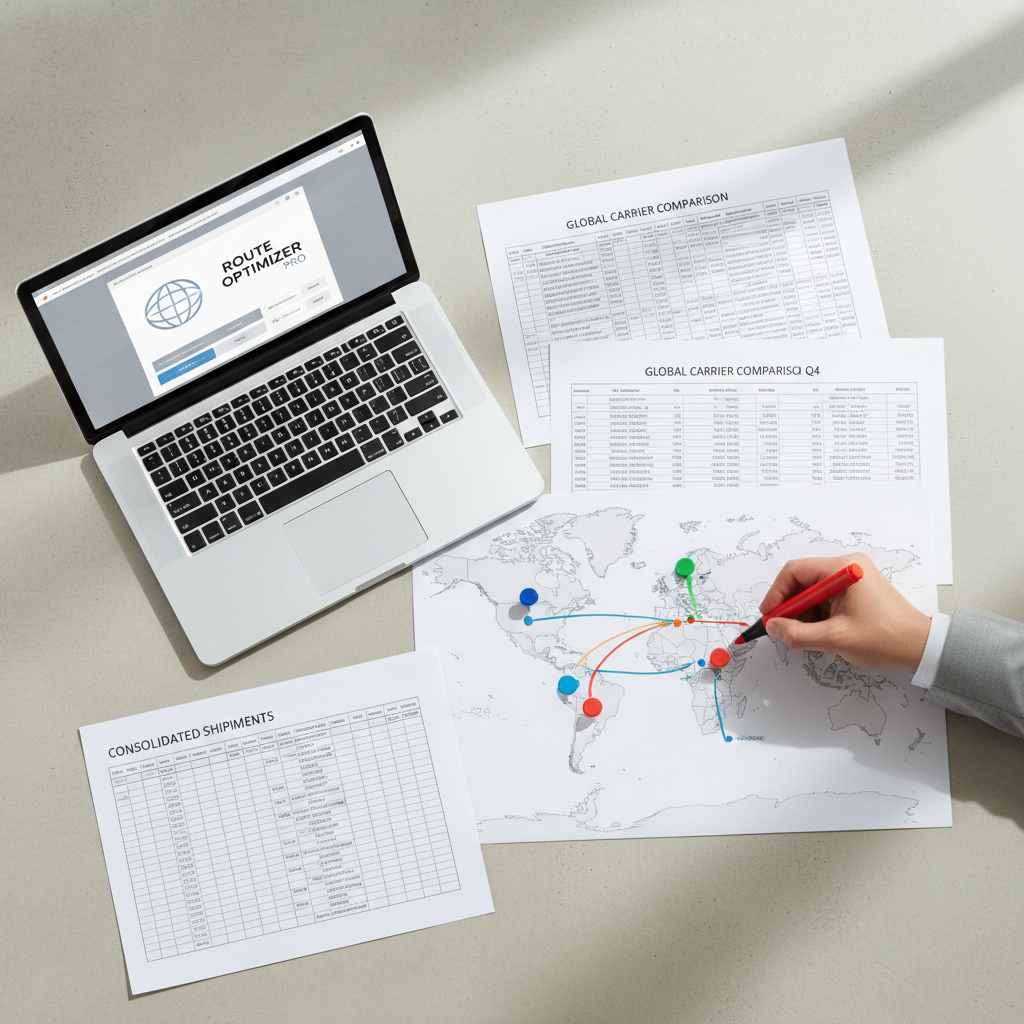
Consider implementing route optimization software to reduce delivery times and costs. This technology can analyze various factors such as traffic patterns and delivery windows to determine the most efficient routes. Additionally, offering multiple delivery options can enhance customer satisfaction by providing flexibility.

Leveraging Technology and Automation
Technology and automation are game-changers in logistics, especially during peak seasons. Implementing automated systems can help reduce manual errors and increase efficiency. For instance, using warehouse management systems (WMS) can improve inventory accuracy and streamline warehouse operations.
Additionally, leveraging data analytics can provide valuable insights into consumer behavior and help forecast demand more accurately. This information can guide decision-making, allowing for better resource allocation and improved service levels.
Improving Communication and Collaboration
Effective communication and collaboration with all stakeholders, including suppliers, carriers, and customers, are essential for a successful logistics strategy during peak seasons. Establishing clear communication channels can prevent misunderstandings and ensure everyone is aligned with the business goals.
Regular meetings and updates can help keep the team informed about any changes or challenges. Additionally, fostering strong relationships with suppliers and logistics partners can lead to more flexible and responsive operations.

Focusing on Customer Experience
Finally, optimizing your logistics strategy is not just about efficiency but also about enhancing the customer experience. During peak seasons, timely and reliable delivery becomes even more critical. Offering proactive communication, such as providing updates on order status, can enhance customer trust and satisfaction.
Consider implementing customer feedback loops to gather insights into their experiences. This information can help identify areas for improvement and ensure that your logistics strategy aligns with customer expectations.