How to Navigate Logistics Industry Regulations: A Guide for Montana Businesses
T4
Understanding the Basics of Logistics Regulations
Operating within the logistics industry in Montana requires a comprehensive understanding of both federal and state regulations. For businesses, it's crucial to stay updated with the rules to ensure compliance and avoid potential fines. The logistics sector is heavily regulated to maintain safety, efficiency, and fairness.
Regulations cover various aspects such as transportation safety, environmental standards, and employment laws. It's essential for businesses to not only understand these regulations but also implement them effectively in day-to-day operations.
Federal vs. State Regulations
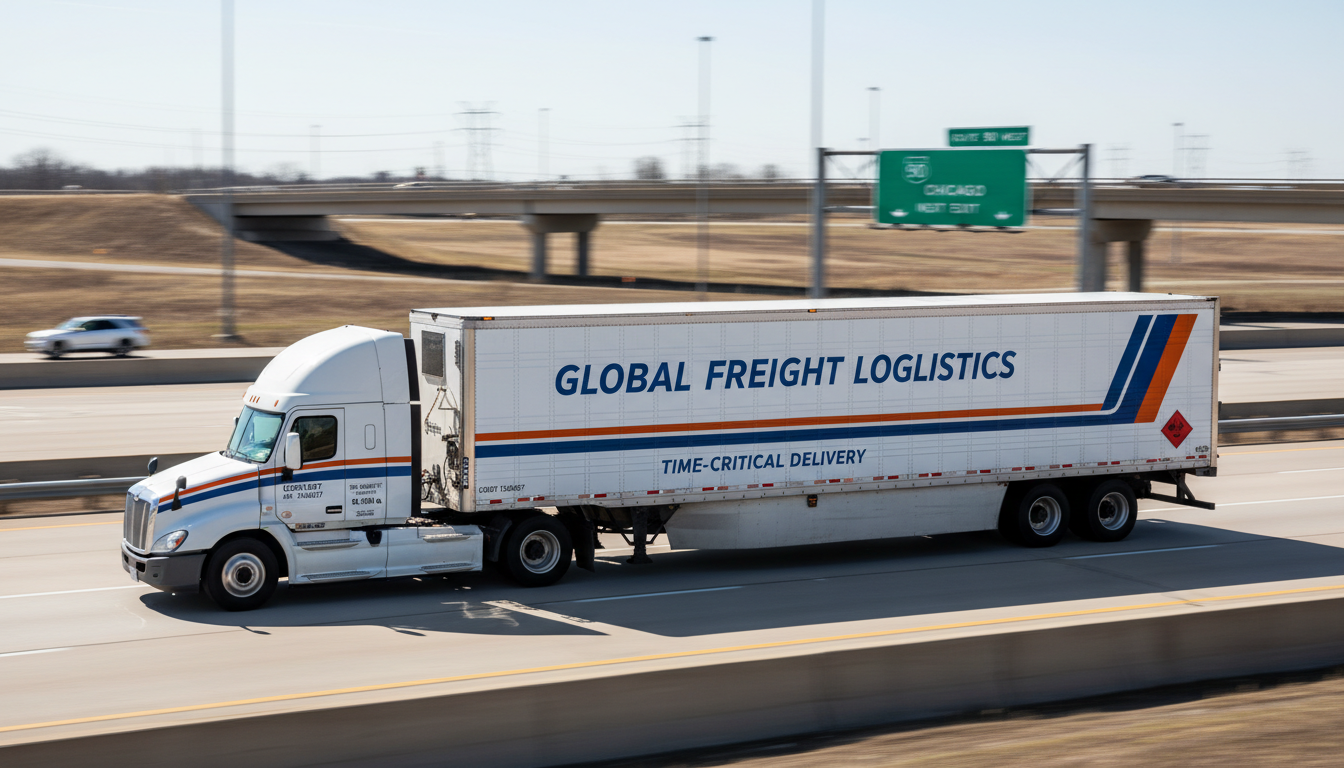
One of the first challenges is distinguishing between federal and state regulations. Federal laws are set by the Department of Transportation (DOT) and the Federal Motor Carrier Safety Administration (FMCSA), which oversee the safety and operational standards across the country.
Meanwhile, Montana has its own set of rules that logistics companies must abide by. These state-specific regulations might include road use taxes, special permits, and environmental guidelines that are unique to Montana's terrain and climate.
Key Federal Regulations
Federal regulations focus on ensuring safety and standardizing logistics operations. Key areas include:
- Hours of Service (HOS) rules for drivers to prevent fatigue.
- Vehicle maintenance standards to ensure safety on the roads.
- Drug and alcohol testing requirements for drivers.

Important Montana-Specific Regulations
Montana-specific regulations often address local concerns, such as environmental impacts due to transportation. Businesses need to be aware of rules related to:
- Special permits for oversized or overweight loads.
- Seasonal road restrictions that impact route planning.
- State-specific tax obligations related to road usage.
Staying informed about these regulations can help businesses avoid disruptions and legal challenges.
Staying Compliant
Ensuring compliance with logistics regulations requires a proactive approach. Businesses should implement regular training programs for their staff to keep them updated on any changes in regulations. This not only helps in maintaining compliance but also enhances the overall efficiency of operations.

Additionally, utilizing technology such as compliance software can assist in tracking and managing regulatory requirements efficiently. These tools can automate many compliance-related tasks, reducing the risk of human error.
Seeking Professional Assistance
Given the complexity of logistics regulations, businesses may benefit from seeking professional assistance. Consulting with legal experts or hiring compliance officers can provide a deeper understanding and ensure that all regulatory aspects are covered.
Professional guidance can be especially beneficial when dealing with intricate issues like cross-border transportation or hazardous material handling, where mistakes can lead to significant penalties.

In conclusion, navigating logistics industry regulations in Montana requires a strategic approach. By understanding both federal and state-specific rules, staying informed, and possibly seeking professional help, businesses can operate smoothly and efficiently while avoiding potential pitfalls.