
How Digital Transformation is Revolutionizing Warehousing
T4
Introduction to Digital Transformation in Warehousing
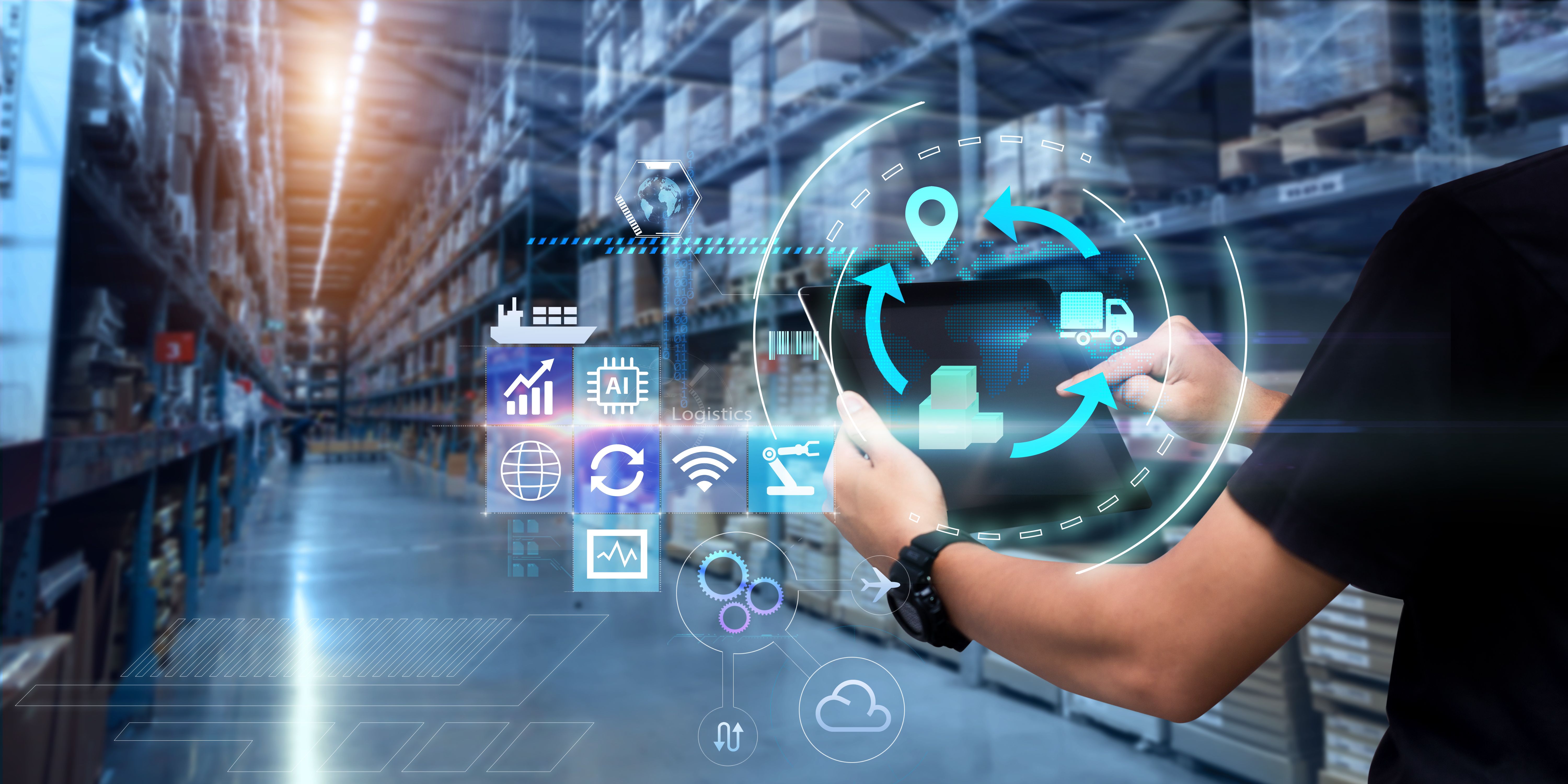
In recent years, digital transformation has been a buzzword across various industries. One sector experiencing a significant shift is warehousing. The integration of digital technologies is redefining traditional warehousing practices, leading to enhanced efficiency and productivity.
Warehouses are no longer just storage spaces. They have evolved into complex hubs of activity, driven by smart technologies and data analytics. This transformation is crucial for businesses aiming to stay competitive in a fast-paced environment.
Automation and Robotics
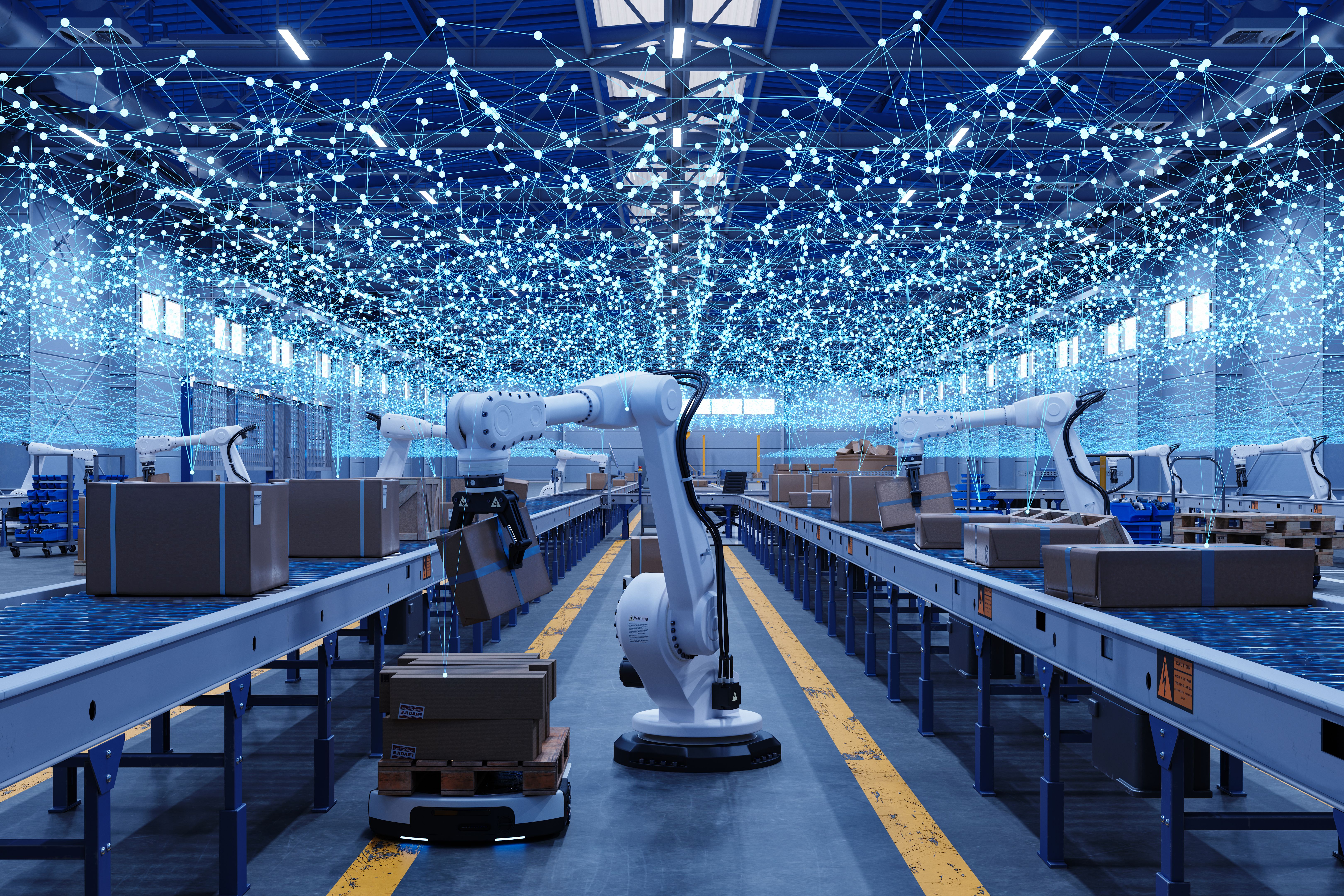
Automation is at the forefront of digital transformation in warehousing. Robots and automated systems are taking over repetitive tasks, leading to faster and more accurate operations. Automated Guided Vehicles (AGVs) and robotic arms are commonly used to handle goods, reducing the reliance on manual labor.
This shift not only improves efficiency but also minimizes errors. By deploying automation, warehouses can operate round-the-clock, ensuring that products are always ready for dispatch.
Benefits of Automation
- Increased Efficiency: Automation speeds up processes and reduces downtime.
- Cost-Effectiveness: Reduces labor costs and increases output.
- Scalability: Easily adjust operations to meet demand fluctuations.
Data Analytics and Predictive Maintenance
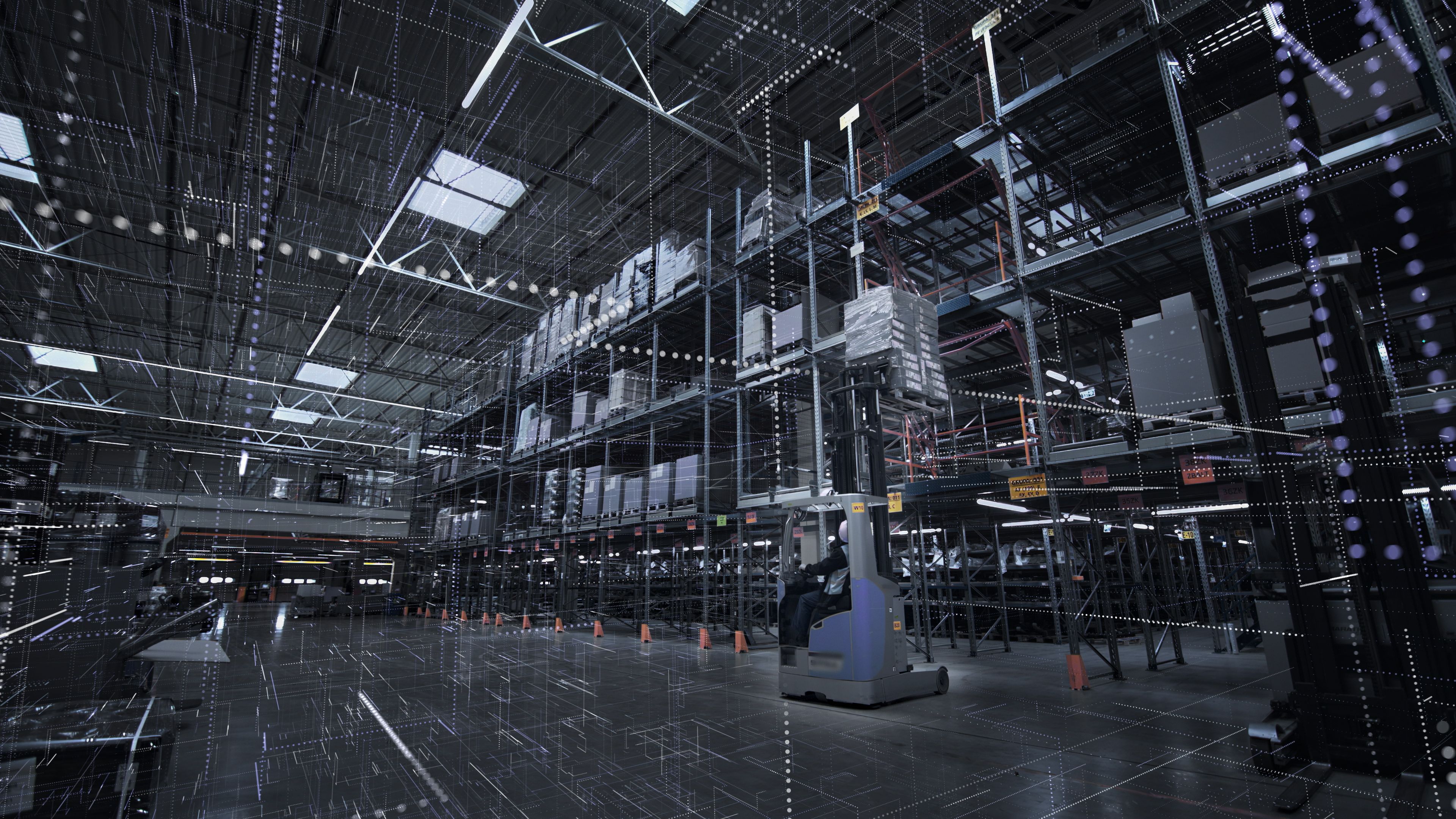
Data analytics plays a pivotal role in optimizing warehouse operations. By analyzing large sets of data, businesses can gain insights into inventory levels, demand patterns, and operational bottlenecks. This data-driven approach facilitates better decision-making and resource allocation.
Predictive maintenance is another aspect revolutionizing warehousing. By leveraging data from IoT sensors, warehouses can predict equipment failures before they occur, minimizing downtime and ensuring smooth operations.
Key Advantages of Data Analytics
- Improved inventory management and reduced waste.
- Enhanced customer satisfaction through timely deliveries.
- Optimization of supply chain operations.
Cloud Computing and IoT
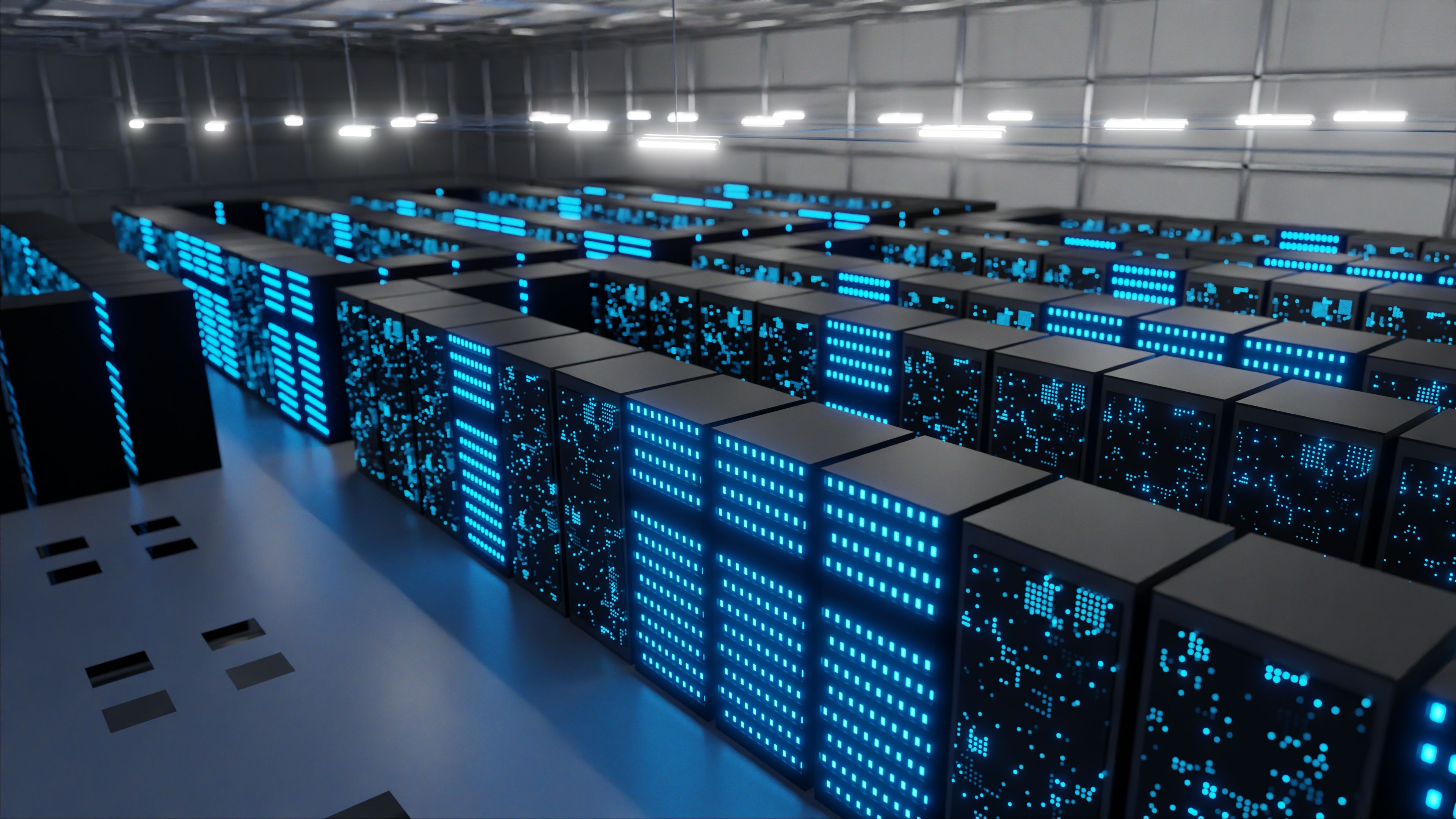
The adoption of cloud computing and IoT devices is transforming warehousing by providing real-time visibility and control over operations. Cloud-based solutions offer scalable resources and seamless integration, allowing warehouses to adapt to changing demands.
IoT devices, such as smart sensors and RFID tags, enable real-time tracking of goods, ensuring accurate inventory management. This connectivity allows for a more agile and responsive supply chain, enhancing overall efficiency.
Impact of Cloud and IoT
Cloud and IoT technologies streamline warehouse operations by providing real-time data, improving collaboration, and reducing operational costs. This integration fosters innovation and drives continuous improvement in warehouse management.
Conclusion
Digital transformation is revolutionizing warehousing by introducing automation, data analytics, cloud computing, and IoT. These technologies not only enhance operational efficiency but also provide a competitive edge in a rapidly evolving market.
As businesses continue to embrace these advancements, the future of warehousing looks promising, with smarter, more efficient, and highly adaptive operations leading the way.