
Helena's Freight Landscape: Trends and Innovations in Logistics
T4
Understanding the Current Landscape
The logistics industry is experiencing a dynamic shift, marked by the integration of cutting-edge technology and evolving consumer demands. Helena's freight landscape is no exception, as it adapts to these changes to improve efficiency and customer satisfaction. The growth of e-commerce, along with the need for faster and more reliable delivery, has prompted logistics providers to innovate continually.
One of the most significant trends in Helena's logistics sector is the adoption of automation and AI technologies. These advancements help streamline operations, reduce human error, and enhance decision-making processes. By leveraging AI, companies can predict demand more accurately, optimize routes, and improve inventory management.

The Rise of Sustainable Practices
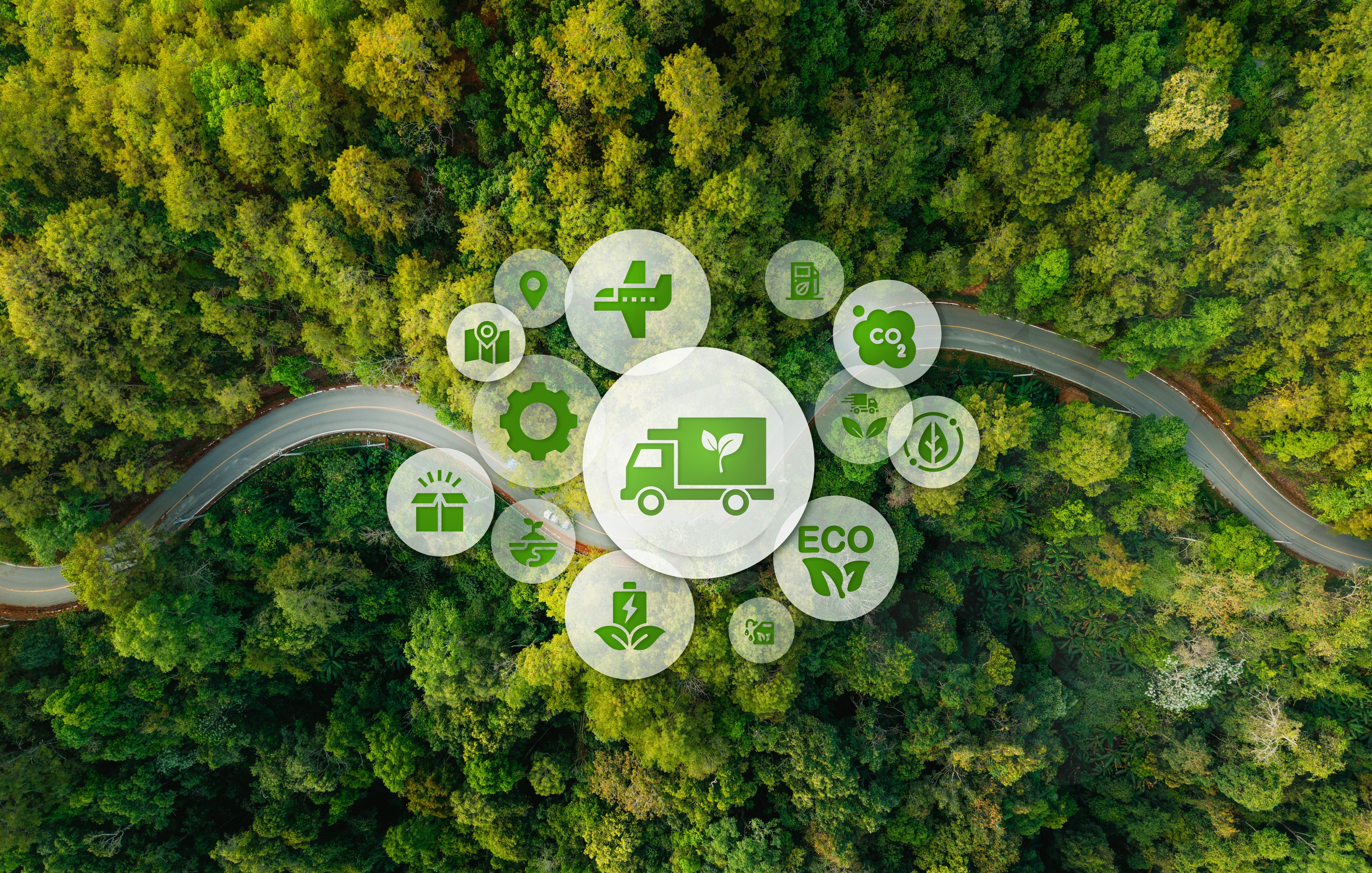
As environmental concerns become increasingly pressing, Helena's logistics companies are prioritizing sustainability. This shift involves adopting eco-friendly practices, such as using electric vehicles, optimizing delivery routes to reduce fuel consumption, and implementing recyclable packaging materials.
Sustainability efforts not only benefit the environment but also enhance brand reputation and customer loyalty. Consumers today are more conscious about their ecological footprint, and they prefer to support companies that share their values.
Key Sustainable Innovations
- Use of renewable energy sources
- Eco-friendly packaging solutions
- Green supply chain management
Embracing Digital Transformation
The digital transformation of logistics in Helena is another trend shaping the industry. Cloud-based platforms and IoT devices allow for real-time tracking and monitoring of shipments, providing customers with greater transparency and control over their deliveries.
Moreover, the use of big data analytics helps logistics companies make data-driven decisions, enhancing efficiency and reducing costs. By analyzing patterns and trends, companies can anticipate potential disruptions and develop strategies to mitigate risks.
Challenges and Opportunities
While these innovations offer significant benefits, they also come with challenges. Implementing new technologies requires substantial investment and a skilled workforce. Companies must balance the cost of innovation with the potential return on investment.
However, the opportunities for growth and improvement are immense. By staying ahead of the curve, Helena's logistics providers can not only enhance their operations but also set industry standards for excellence.
The Future of Helena's Logistics
Looking ahead, the logistics landscape in Helena is poised for continued transformation. As technology evolves, companies will need to remain agile and adaptable, embracing new tools and strategies to meet the demands of the future.
By focusing on innovation, sustainability, and digital transformation, Helena's logistics sector can lead the way in creating a more efficient, eco-friendly, and customer-centric industry.